Why Was Referee Omar Artan Denied Entry?

Omar Artan’s denial of entry has more than become a talking point leading up to the FIFA World Cup 2026. The Somali referee was detained at Miami International Airport when he was just in possession of a valid visa. This has led to queries about travelling to international sports events.

After an 11-hour immigration interview, Artan said he was taken to a detention cell. Later that year he was denied entry into the United States. Authorities from U.S. Customs and Border Protection confirmed the decision, but did not include full details. They only gave the word “vetting concerns” as the reason.

It was an important situation because Artan was going to make history. He will have been the first ever Somalian referee to referee matches at the FIFA World Cup. In the absence of him, there is a lack of representation now and diversity at the tournament as well.

On a wider scale, this incident shows the dangers of operations in international events. For events such as the World Cup, smooth player, staff and officials entry is a must. Any uncertainty in immigration processes can impact tournament planning.

FIFA has already announced that Artan will be missing the competition. The referee was very disappointed. He stated that he had all the necessary paperwork and the appropriate procedure. He thinks his nationality may have had an impact on that decision.

This case also brings a focus on US immigration systems prior to 2026. Teams and officials are coming from all over the world, so decisions on team entry will be key. In reality, governing bodies can now advocate for greater cooperation with host countries. Predictable entry protocols might take centre stage as the tournament nears.
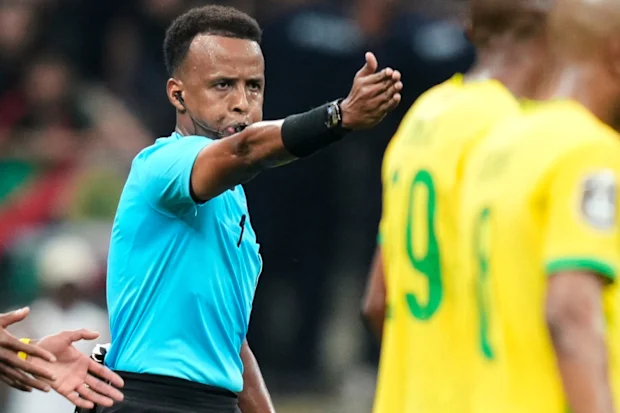
Omar Artan's denial of entry has more than become a talking point leading up to the FIFA World Cup 2026. The Somali referee was detained at Miami International Airport when he was just in possession of a valid visa. This has led to queries about travelling to international sports events.

After an 11-hour immigration interview, Artan said he was taken to a detention cell. Later that year he was denied entry into the United States. Authorities from U.S. Customs and Border Protection confirmed the decision, but did not include full details. They only gave the word “vetting concerns” as the reason.

It was an important situation because Artan was going to make history. He will have been the first ever Somalian referee to referee matches at the FIFA World Cup. In the absence of him, there is a lack of representation now and diversity at the tournament as well.

On a wider scale, this incident shows the dangers of operations in international events. For events such as the World Cup, smooth player, staff and officials entry is a must. Any uncertainty in immigration processes can impact tournament planning.

FIFA has already announced that Artan will be missing the competition. The referee was very disappointed. He stated that he had all the necessary paperwork and the appropriate procedure. He thinks his nationality may have had an impact on that decision.

This case also brings a focus on US immigration systems prior to 2026. Teams and officials are coming from all over the world, so decisions on team entry will be key.

In reality, governing bodies can now advocate for greater cooperation with host countries. Predictable entry protocols might take centre stage as the tournament nears.

LATEST NEWS