
The Premier League looks a lot different now that Arsenal are champions for the first time in over two decades. New tactical shifts include shifting goalkeeper roles, new coaching appointments, and a defensive style built on risk. But there is more to the story.
Goalkeepers Are Taking a Step Back
Manchester City’s decision to swap Ederson for Gianluigi Donnarumma says a lot about the direction goalkeeping is heading. Pep Guardiola’s system turned Ederson into an auxiliary midfielder thanks to his passing range. Donnarumma is a fine shot-stopper in front of the net, but he doesn’t offer the same range in possession that Ederson offered.
This shift is not limited to one club. Clubs across the league are also becoming less reliant on goalkeepers as playmakers.
- More goal-kicks are being sent long rather than played short under pressure
- Build-up phases are becoming shorter and more direct in several squads
- Recruitment priorities for keepers are leaning back toward shot-stopping first
Long Throw-Ins Have Become a Genuine Weapon
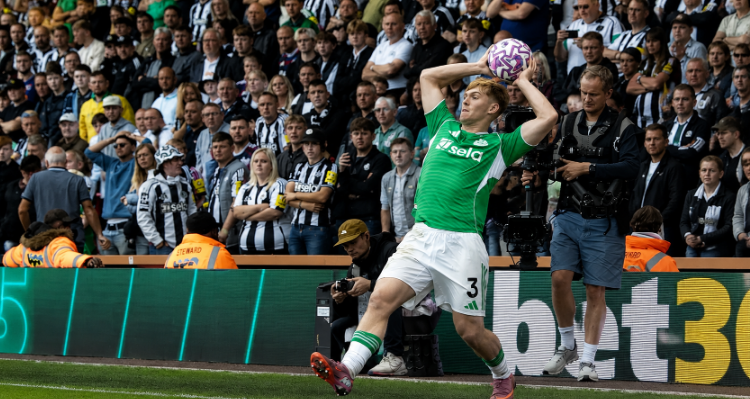
Throw-ins have long been treated as an afterthought. That is changing. In the recent season, long throws generated more expected goals per match than in any previous Premier League season. Clubs are now allocating specific coaching to this routine. It is still a small margin, but the Premier League is more competitive than ever, and small margins tend to get exploited quickly once they are proven to work.
Attacking Football Is Pulling Ahead
The Premier League tactical trends point towards a more offensive season than before. Higher defensive lines, aggressive pressing, and inverted full-backs are creating more chances on one end. But this sort of defense leaves more space at the other end. Sides that press hard for longer stretches tend to fade physically after the hour mark. This opens the door for late goals and chaotic finishes in matches that look settled.
New Managers Are Reshaping Old Identities
When a tactical philosophy succeeds at a mid-table club, bigger clubs often take notice. The same playstyle that helped Bournemouth finish sixth last year and reach European football is now being adopted by Liverpool. The arrival of Andoni Iraola at Anfield brings the same front-foot, high-intensity approach that Bournemouth executed. Iraola’s arrival will test how well this approach works with better players and higher expectations.
Tactical systems can create chances, but elite players are still needed to unlock organised defences. Key playmakers like Kevin De Bruyne, Martin Odegaard, and Dominik Szoboszlai are among the most capable players of breaking through compact defensive blocks. After all, individual quality still decides tight matches even in a data-driven game.
What to Expect in the 2026/27 Season
Considering these Premier League tactical trends together suggests a season leaning further into attacking risk than defensive control. Teams that are likely to pull ahead will be able to:
- Manage the balance between intensity and fatigue
- Adapt their goalkeeper and set-piece routines to match the moment
- Maintain consistency across 38 match weeks
Whether that favors the established order or gives way to another surprise finish such as Bournemouth is yet to be seen. The opening weekend should offer the first clues about the direction this season will take.
