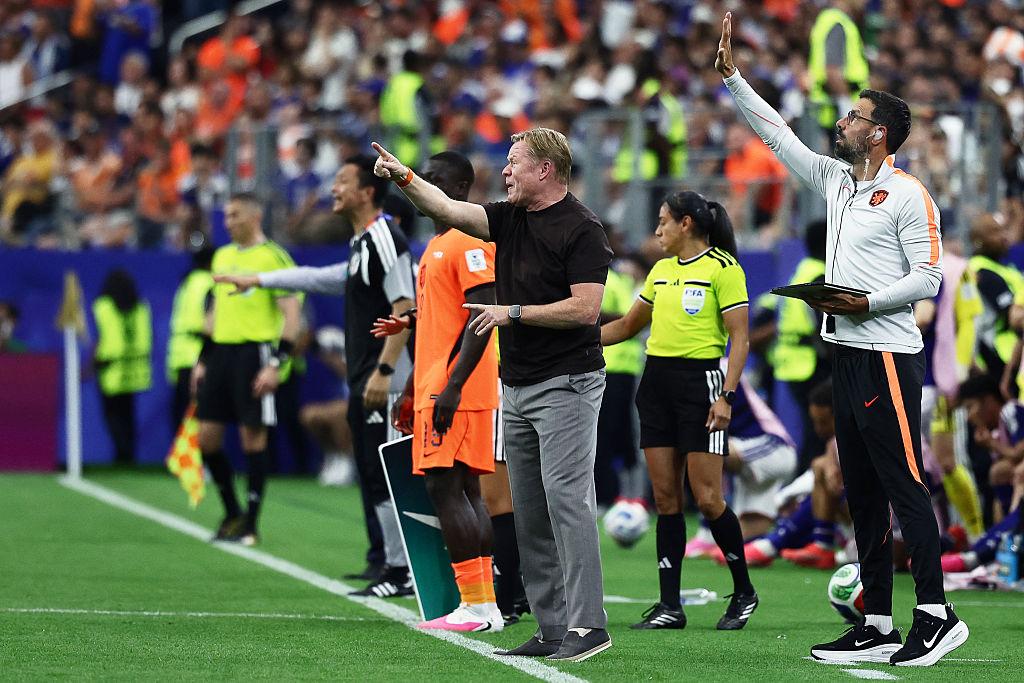
Netherlands World Cup exit has triggered tactical scrutiny after head coach Ronald Koeman defended his conservative approach in the defeat to Morocco. The Dutch were defeated after a 3-2 penalty shootout after a 1-1 draw in their Round of 32 match in Monterrey Stadium.
The slow start was not a fear tactic, but a strategy, Koeman admitted, adding that the team had been looking at the Morocco transition. The method has come under scrutiny, though, because of the attacking nature and how adaptive it is in game, especially when it comes to knockout situations, where an extra skil is frequently the deciding factor.
The Dutch focus was on the defensive compactness and discipline of the midfield, with little open play allowed to happen. This lowered the attacking effectiveness of Morocco but also limited the progress of the Dutch attacks, giving Morocco few chances to score in both the first and second periods.
The shootout ultimately revealed the close calls that make up tournament football. The Netherlands were able to stay calm for most of the match but couldn’t convert under pressure and allowed Morocco to take a step forward.
The off-the-field performance will further highlight the need to assess tactical systems and the use of players in the high-pressure situations, as the team struggles to perform. For Koeman, the focus now goes to internal review processes and a connection to long-term competitive goals.
The steady development of Morocco, on the other hand, highlights the power of organised defense and precise execution in crucial moments. They have proven themselves to be a formidable opponent in the Round of 16, cementing their growing place in international football.
It will be a case-study in tactics for the Netherlands and a major turning point for team selection in upcoming international editions.