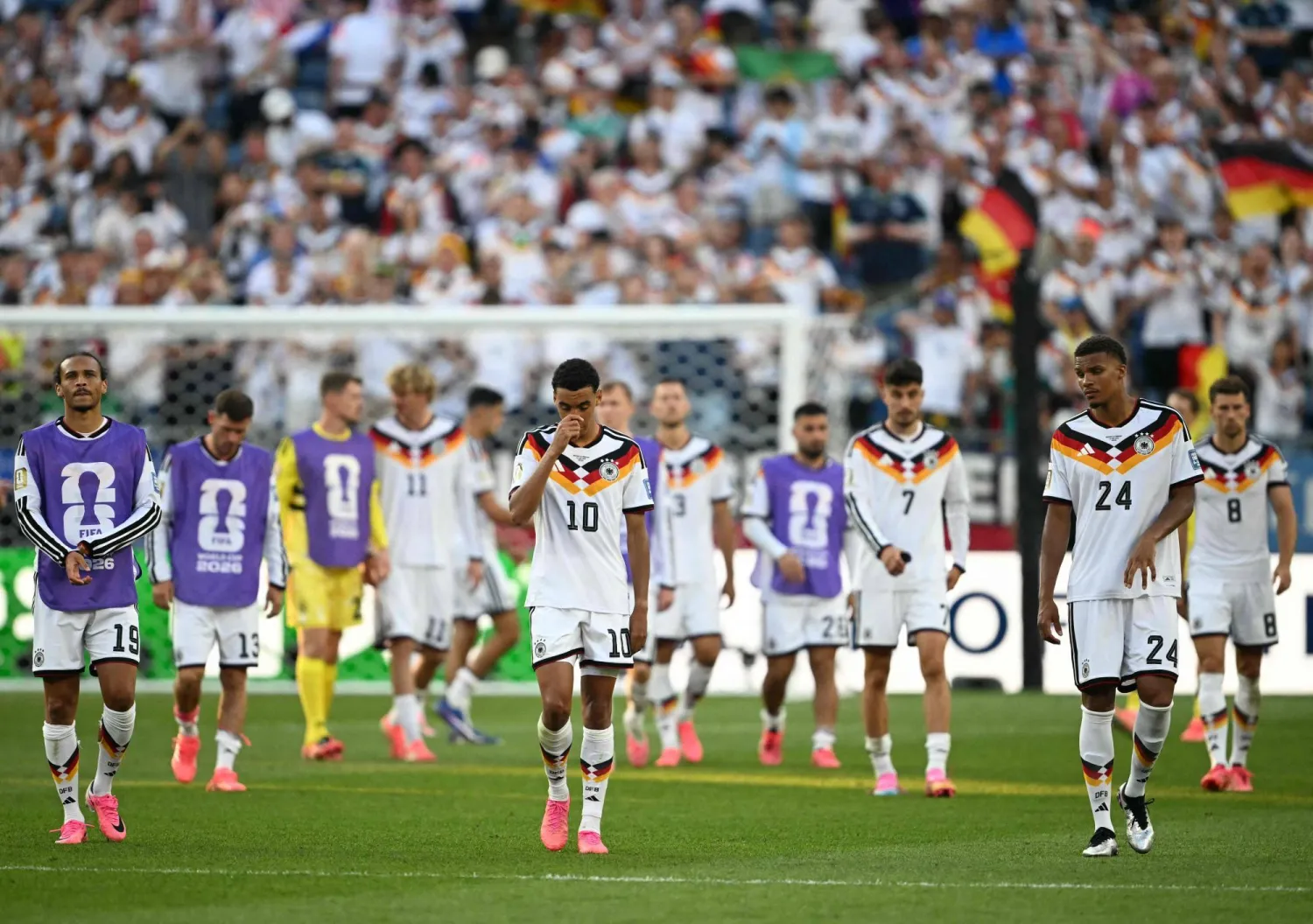
Germany World Cup failure is being increasingly linked to deeper structural and cultural issues, according to Bayer Leverkusen CEO Fernando Carro, following another disappointing campaign on the global stage. Germany, which has won four World Cups, is in the Round of 32 this year, but lost a shock elimination to Paraguay. This follows on from back-to-back group stage defeats in 2018 and 2022, and is a trend that is not going to stop.
Carro’s critique is not so much tactical or managerial as systemic, relating to the lack of efficiency in the German football system and society at large. He noted a lack of quality players coming through the ranks with very good players, but not enough of them are making it to the top levels.
Institutionally, this is a sign of possible failure of youth development models, talent identification and long-term football governance. Germany has had a very organized development model to achieve success in the past; however, new challenges arising from global competition and stagnation in Germany may be revealing structural weaknesses.
Considering Carro’s tenure at Bayer Leverkusen, where he spearheaded a high-performance revolution that saw Leverkusen claim their Bundesliga championship and domestic cup victory in 2024, his view is valuable. His words suggest that the club innovation has not been fully translated to national level.
The general message: Germany’s problems are not just on Monday nights. Rather, they call for a systemic change in development, culture and football policy. Germany’s future as a contender for the top spot is going to be hinging on their capacity to find and develop talent and to reform the football pyramid in the country, as the global competition grows more fierce.